
Let’s face it: “student living” is frequently a code word for “quick ramen, dubious furniture choices, and a mild, ongoing panic about the balance of the bank account.”We aren’t exactly embracing green, either financially or environmentally. Sustainability may seem like a luxury or a hobby for people who have extra money and a worm farm for composting. Bamboo toothbrushes, organic cotton bags, and artisanal vegan fair-trade lattes are all examples of eco-friendly options that always seem to cost more.
But here’s the big news: Living sustainably doesn’t mean buying expensive products that are labeled as eco-friendly. It’s about making a few big changes that will have a big effect, using what you have better, and buying less. It’s all about being clever. And if there’s one thing a student knows how to do, it’s make do with what they have (I see you, 2 AM coffee and duct-taped textbook).
This manual is your manifesto. It’s for everyone who wishes to reduce their financial impact without sacrificing their environmental impact. We’ll dive into practical, doable tactics designed for the wonderful, chaotic reality of student life. This is about empowerment, so forget about guilt trips.
Part 1: Your Kitchen: Ground Zero for Zero-Waste
The kitchen is often where our sustainability efforts go to die (under a pile of plastic forks and moldy leftovers). It’s also where you can make the biggest, fastest, and most satisfying changes.
1. Meal Prep: Your Wallet (and the Planet’s) Best Friend
Everybody have been there: You’re starving, it’s 9 PM, you have an exam tomorrow, and the $15 takeout from Uber Eats seems like your only choice. That anxiety and the huge stack of non-recyclable plastics packaging it comes with are eliminated when you prepare your meal in advance.
- The Strategy: Set aside 2-3 hours in a Sunday (or whatever day you have a awkward gap). Cook one or two large, versatile meals that you can eat for few days: a giant pot of chili, a lentil stew, or a stir-fry with a mountain of rice.
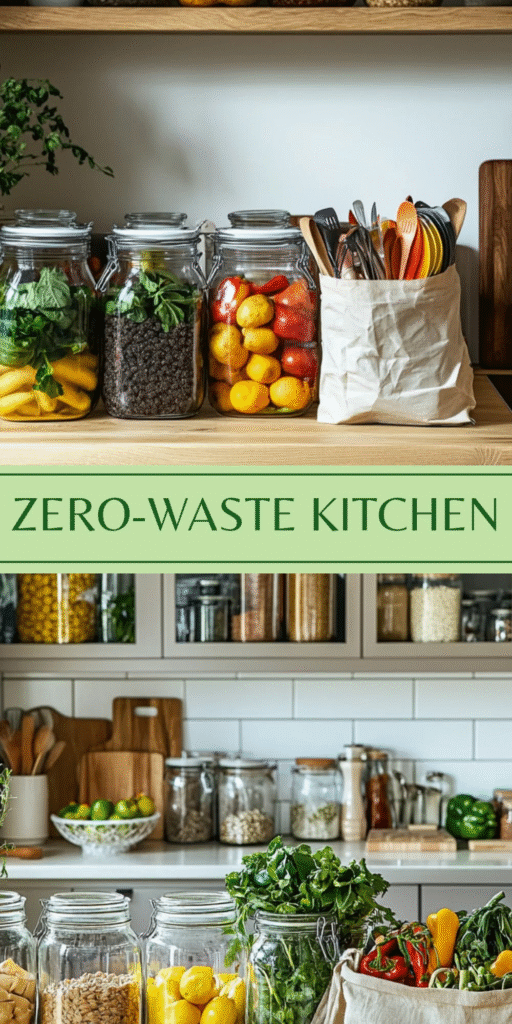
- The Tools: Forget expensive matching Tupperwaree. Reuse old glass pasta sauce jar (they’re airtight and microwave-safe if the lid is off!). This one habit saves you money every single day and eliminate a mountain of single-use containers.
2. Master the “Fridge Foraging” Challenge
The most sustainable food is the food you already owned. Before you buy a single new item, challenge yourself to creat a meal from your leftovers and the depth of your freezer.
- Get Creative: Throw a random assortment of veggies into a fritter or a curry. Stale breads is just waiting to become a bread puddings.
- Use It All: Eat the broccolie stalks! Grate them for coleslaw. Save vegetable scraps and bones (if you eat meat) in a bag in the freezer for homemade stock. It’s free foods.
3. Shop Sma… Sma… rter. (The Dreaded “B-Word”: Bulk)
“Buying in bulks” can feel like advice for suburban parents with a five-car garage. But bulk bins (found at many co-ops, some standard grocers, and specialized zero-waste stores) are a student’s secret weapon.
- The Method: Bring your own containers (those pasta jars!) or reusable produce bags. TARE (weigh) your container first. Fill it up with exactly as much rice, oats, pasta, flour, or beans as you need. No excess packaging.
- The Savings: You are not paying for the branded bag, the printing, or the plastic film. Items in bulk bins are almost always cheaper.
Part 2: Fashion and Home: Swapping, Not Shopping
Let’s move to your closet and your room. You want to look good, and you want your dorm to not feel like a hospital room, but you also don’t want to support fast fashion or buy furniture that will fall apart in a year.

4. The Rules of Thrifting 2.0
We all know about secondhand shops. But as a student, you are in a prime position to build a genuinely sustainable and incredibly unique wardrobe on the cheap.
- Go Off-Campus: Don’t just shop at the cool vintage store downtown that marks up flannel shirts 400%. Hit up the goodwill or thrift stores in less-central neighborhoods.
- Think Beyond the Hanger: A shirt that is too large can be a cool oversized piece or tied up. A dress that’s too long can be hemmed (get a basic sewing kit—it’s $10 and pays for itself instantly). Look for high-quality fabrics: 100% cotton, wool, linen. They last forever.
5. Become a Swap Meet Aficionado
Your university is full of other people who are also looking to refresh their wardrobe or dorm decor without spending money. A clothes swap is a party where the entry fee is your unwanted items.
- How to Host: It’s easy. Gather 10 friends, tell them to each bring at least 5 clean items they don’t want. Pile them up, have some snacks, and everyone takes turns “shopping.” Anything left over gets donated. You get a new outfit (for free!), and your friends do too.
6. Buy Nothing, Get Everything
This is one of the single most effective resources for students. Search on Facebook for a “Buy Nothing Project” group for your specific neighborhood.

- The Principle: These are gift economies. People give things away for free, with no expectation of trade or payment. Need a desk? Post in the group. Moving out and can’t take your rug? Offer it up. It’s a powerful community tool that diverts so much stuff from landfills.
Part 3: Technology and Travel: A Radical Re-Think
Sustainability extends beyond physical objects. It’s in your habits and your daily decisions.

7. De-Clutter Your Digital Footprint
This is the hidden environmental cost of modern life. All our “cloud” data lives on physical servers that consume a staggering amount of energy.
- Quick Wins: Unsubscribe from every marketing email you don’t read. Each email has an embedded tracking pixel that contributes to energy use. Delete large, old attachments you don’t need. Clean up your shared drives. Stream at a slightly lower quality. These are tiny, zero-cost actions that, when done by millions, have a huge impact.
8. Question the Upgrade
We are constantly pressured to have the newest, fastest, thinnest gadget. But the single most sustainable tech device is the one you already have.
- Try This: Instead of buying a new phone, can you replace the battery? Can you add more RAM to your old laptop? If you must replace a device, buy it refurbished from a reputable source like Back Market or even Apple’s official certified refurbished store. It’s hundreds of dollars cheaper and uses a device that has already been manufactured.
9. Treat Your Bike Like Your Car
Your university almost certainly has a free or extremely low-cost bike share program. Use it.
- If You Own a Bike: Learn basic maintenance. Pumping your tires and oiling your chain isn’t just for mechanics. A well-maintained bike prevents expensive repairs down the road and keeps you moving for free.
- Embrace the Bus: Public transit is included in your tuition for a reason. Plan your trips to use it instead of ride-shares. It’s slower, sure, but it’s a great time to do that reading you’ve been putting off.
Part 4: The 2026 Student’s Advantage: A Few AI Prompts
You are a 2026 student. You have tools at your fingertips that the eco-activists of the past could only dream of. Use them to your advantage. AI can be a powerful consultant for your sustainable (and financial) goals. Here are some prompts to try:
- Prompt 1 (For Meal Prep): “I have half a bag of lentils, two very ripe tomatoes, and some stale bread. Give me a budget-friendly recipe I can make in under 30 minutes, and suggest three other common pantry ingredients that would work with it.”
- Prompt 2 (For Your Digital De-Clutter): “Analyze this marketing email I received and identify all the trackers. Write me a short script I can adapt to ask companies to remove me from their mailing list while retaining my user account.”
- Prompt 3 (For Smart Shopping): “Compare the life-cycle environmental impact of buying a brand-new cotton tote bag versus reusing a thick paper bag I already have for 50 grocery trips.” (This is a trick question. The reusable paper bag will win every time—saving you money and resources).
This Isn’t About Being Perfect
The goal of this guide isn’t to create a perfect, zero-waste, carbon-neutral human being. That’s an impossible goal that just causes stress. The goal is progress.
Start with one thing. One. Maybe this week, you commit to bringing a mug for your coffee instead of getting a paper cup. Maybe you try a single vegetarian recipe. Maybe you just unsubscribe from all those emails.
Small actions matter because they add up. But more importantly, small actions change your mindset. Once you start looking at your spaghetti sauce jar and thinking “that’s not trash, that’s my new lunch container,” you’ve won. You’ve broken the cycle of consumption and waste.
Sustainable living isn’t a limitation; it’s a source of profound, affordable freedom. It forces you to be smart, creative, and part of a community. And honestly, those are some of the best skills a student can learn. So, welcome to your new, greener, wealthier, and more resourceful life. Let’s get to work.